Data Hub

Facts and figures on Afghanistan's government and society.

Choose A Topic to Explore
History
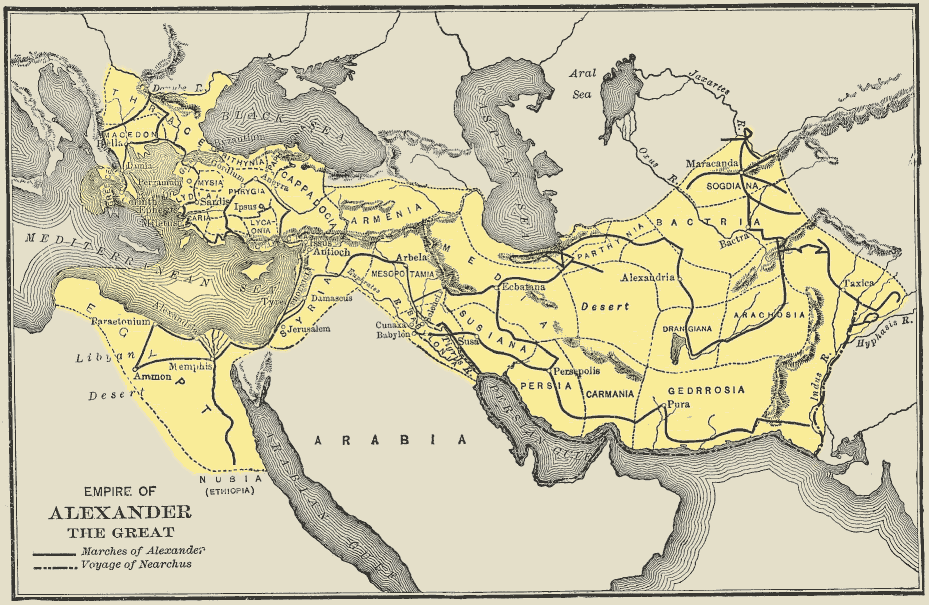
330 and 327 B.C.: Alexander the Great defeated the Achaemenian emperor Darius III and squashed local resistance. Alexander and his successors, the Seleucids, brought Greek cultural influences to the region.
305 BCE: The Mauryan Empire of India defeats the Seleucids,
gaining control of southern Afghanistan, bringing with it Buddhism. Buddhism was the dominant religion from the 3rd century to the 8th century AD. Ruins of this period still remain, lining what was once a great Buddhist pilgrimage road from India to Balkh, in northern Afghanistan, and on into Central Asia.
“…a land where the long centuries have seen stubborn waves of would-be conquerors thrown back defeated, where proud people have twice rebuilt their ruined cities from the smoldering ashes left by invaders and where challenge of today – no less forceful than those before – is to develop the abundant natural and human resources and to match the twentieth century stride for stride.” -- Afghanistan: Ancient Land with Modern Ways, published by the Ministry of Planning of the Royal Government of Afghanistan in 1961
A Brief History of Afghanistan
Often called the crossroads of Central Asia, Afghanistan’s history is characterized by resistance to foreign invasion and occupation, but has also been the hub of diverse cultures. The history of Afghanistan spans 5,000 years, changing hands as new empires emerge, influenced by diverse outsiders such as Greece, Arabia, Iran, Central Asia, India, and China.

In 1747, Ahmad Shah Durrani unified the Pashtun tribes and created the Durrani Empire, which is considered the beginning of modern Afghanistan. In the late 19th century, Afghanistan became a buffer state buffer between the British Indian Empire and the Russian Empire. In 1919, Afghanistan gained independence from British occupying forces. From 1919-1973 was a period of relative stability in Afghanistan, with Kabul even earning the name the “Paris of Central Asia.”

In 1973, pro-Soviet Gen. Mohammed Daoud Khan overthrows the last king, Mohammed Zahir Shah, in a military coup. Khan names himself president of The Republic of Afghanistan with strong ties to the USSR.
Since 1978, Afghanistan has seen more than three decades of foreign occupation, civil war and insurgency.
The USSR invaded in 1979 to bolster the failing Afghan Communist regime. By early 1980, the internationally-backed Mujahadeen rebels united against soviet forces. The last Russian soldier retreated from Northern Afghanistan in 1989 under pressure from the internationally-supported mujahedin rebels. The Mujahadeen continue their resistance against the Soviet-backed regime and eventually oust the communist president Dr. Mohammad Najibullah in 1992. An interim government was established by the Mujahedeen Council, a group already beginning to fracture as warlords fight over the future of Afghanistan.

The uncertainty of the Mujahedeen government was exploited by a group of Islamic fighters called the Taliban. After a subsequent series of civil wars, in 1996 Kabul was seized by the Taliban. Following the 9/11 terrorist attack in 2001, the United States and its allies began military operations and toppled the Taliban for sheltering Osama Bin Laden. An interim government was installed.

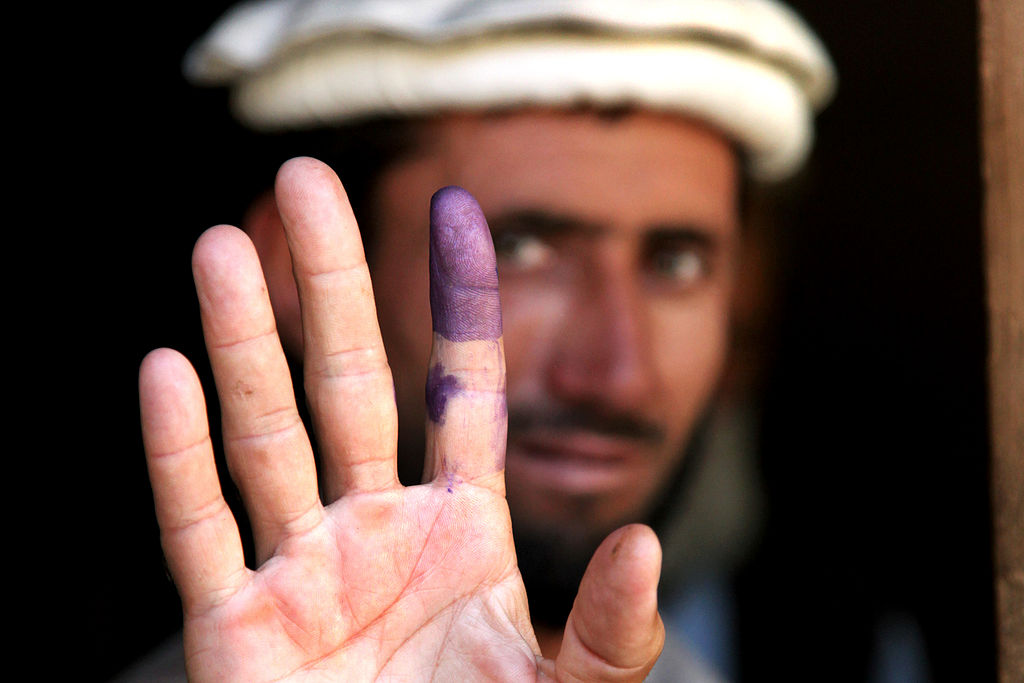
Following the September 11, 2001, terrorist attacks, a US, Allied, and anti-Taliban The UN-sponsored Bonn Conference in 2001 established a process for political reconstruction including the establishment of an interim government with Hamad Karzai as interim leader, aiming to steer Afghanistan towards “national reconciliation, a lasting peace, stability, and respect for human rights.” In 2004, presidential elections are held which elect Karzai as President. In 2014, the two rivals for the Afghan presidency, Ashraf Ghani and Abdullah Abdullah, sign a US-brokered power sharing agreement following disputed election results. Ashraf Ghani is sworn in as president. 
Read more in our government section.
Important Dates in Modern Afghanistan History
1979 - Soviet Army invades. More than a million people die in the ensuing war and more than 6 million refugees had fled the country.

1989 - Last Soviet troops retreat. Mujahideen push to overthrow Soviet-installed Afghan ruler Najibullah, triggers civil war.

1995 – A newly formed Islamic militia, the Taliban, rises to power on promises of peace.

1996 - Taliban seize control of Kabul.

2001 - US militarily intervention following September 11th attacks. Taliban are ousted from Kabul and Hamid Karzai becomes head of interim government.

2002 - Nato assumes responsibility for maintaining security in Afghanistan.

2004 - Afghanistan adopts new constitution which provides separation of powers and democratic principles. Hamid Karzai elected president.

2014 - U.S.-brokers a leadership partnership (National Unity Government, or NUG) between President Ashraf Ghani and CEO Dr. Abdullah Abdullah after contentious election.

2018: President Trump announces new policy in Afghanistan including a deployment of more American troops to Afghanistan to continue to train Afghan forces there in fight against terrorists.

2019: Next Afghan presidential elections
Resources
Afghanistan: Ancient Land with Modern Ways, published by the Ministry of Planning of the Royal Government of Afghanistan in 1961: https://www.wdl.org/en/item/17790/

PBS Newshour historical timeline of Afghanistan: http://www.pbs.org/newshour/updates/asia-jan-june11-timeline-afghanistan/

BBC Timeline: http://www.bbc.com/news/world-south-asia-12024253

Afghanistan:  A Lexicon, Mariam and Ashraf Ghani
Culture
Situated at an important crossroads in Central Asia, Afghanistan owes much of its diverse and rich culture to its position on the map.  Afghanistan has been influenced by many overlapping cultures - the home to a myriad of civilizations and religions, invaders and empires, over the past several thousand years.
Art & Literature
Afghanistan has been both a receptor of diverse art from past civilizations and as a creator of original styles of art. Artistic activity in Afghanistan can be traced back as early as 18,000 BCE, with impressive artistic eras ranging from Greco-Buddhist to Islamic. Afghanistan's contemporary art scene has seen a resurgence since the fall of the Taliban in 2001, with a new generation of young artists, men and women, embracing art as a mode of expression and reflection on society.
Resources
Afghanistan Embassy, Washington D.C., Afghanistan in Brief: Life and Culture
https://www.afghanembassy.us/life-culture/afghanistan-in-brief/

Afghanistan Ministry of Information and Culture: http://moic.gov.af/en

National Museum of Afghanistan:  http://www.nationalmuseum.af

UNESCO World Heritage Centre, Afghanistan: http://whc.unesco.org/en/statesparties/AF/

Metropolitan Museum of Art, Afghanistan: Hidden Treasures from the National Museum:
https://www.metmuseum.org/exhibitions/listings/2009/afghanistan

Turquoise Mountain, Virtual Map of Afghanistan culture and art:
http://turquoisemountain.org/interactive-map
Architecture & Cuisine
Cuisine
Afghanistan’s geographic positioning has also led to a distinctive cuisine, with culinary specialties reflecting its ethnic and geographic diversity, with flavor combinations that make use of native staples and the palates of Afghanistan’s neighbors. The traditional meal is a rice and meat dish, known as pilau, the most famous being Qabuli pilau. There are many variations of this dish, but it typically consists of lamb under rice mixed with lentils, raisins and carrots. 
Another popular Afghan dish is aushak, a vegetarian dumpling typically served with meat sauce, yogurt, and mint. Kabobs are also often a feature on an Afghan
menu.
Architecture
Ancient and modern architecture in Afghanistan reflects a history that is marked by their past encounters between Achemenid Persia, Alexandrian Greece, Buddhism, Hinduism and Islam, providing a window into the artistic achievements of past cultures. There are architectural masterpieces throughout Afghanistan, from mosques to fortresses and palaces to minarets found in places like Herat, Bamiyan, Mazar-e Sharif, Balkh and Ghazni. Tragically, many of Afghanistan’s greatest sites have been destroyed from years of conflict, including the giant Buddah statues at Bamiyan.  Efforts are currently being made to preserve many of these sites.
Resources
Afghanistan Embassy, Washington D.C., Afghanistan in Brief: Life and Culture
https://www.afghanembassy.us/life-culture/afghanistan-in-brief/

Afghanistan Ministry of Information and Culture: http://moic.gov.af/en

National Museum of Afghanistan:  http://www.nationalmuseum.af

UNESCO World Heritage Centre, Afghanistan: http://whc.unesco.org/en/statesparties/AF/

Metropolitan Museum of Art, Afghanistan: Hidden Treasures from the National Museum:
https://www.metmuseum.org/exhibitions/listings/2009/afghanistan

Turquoise Mountain, Virtual Map of Afghanistan culture and art:
http://turquoisemountain.org/interactive-map
Women
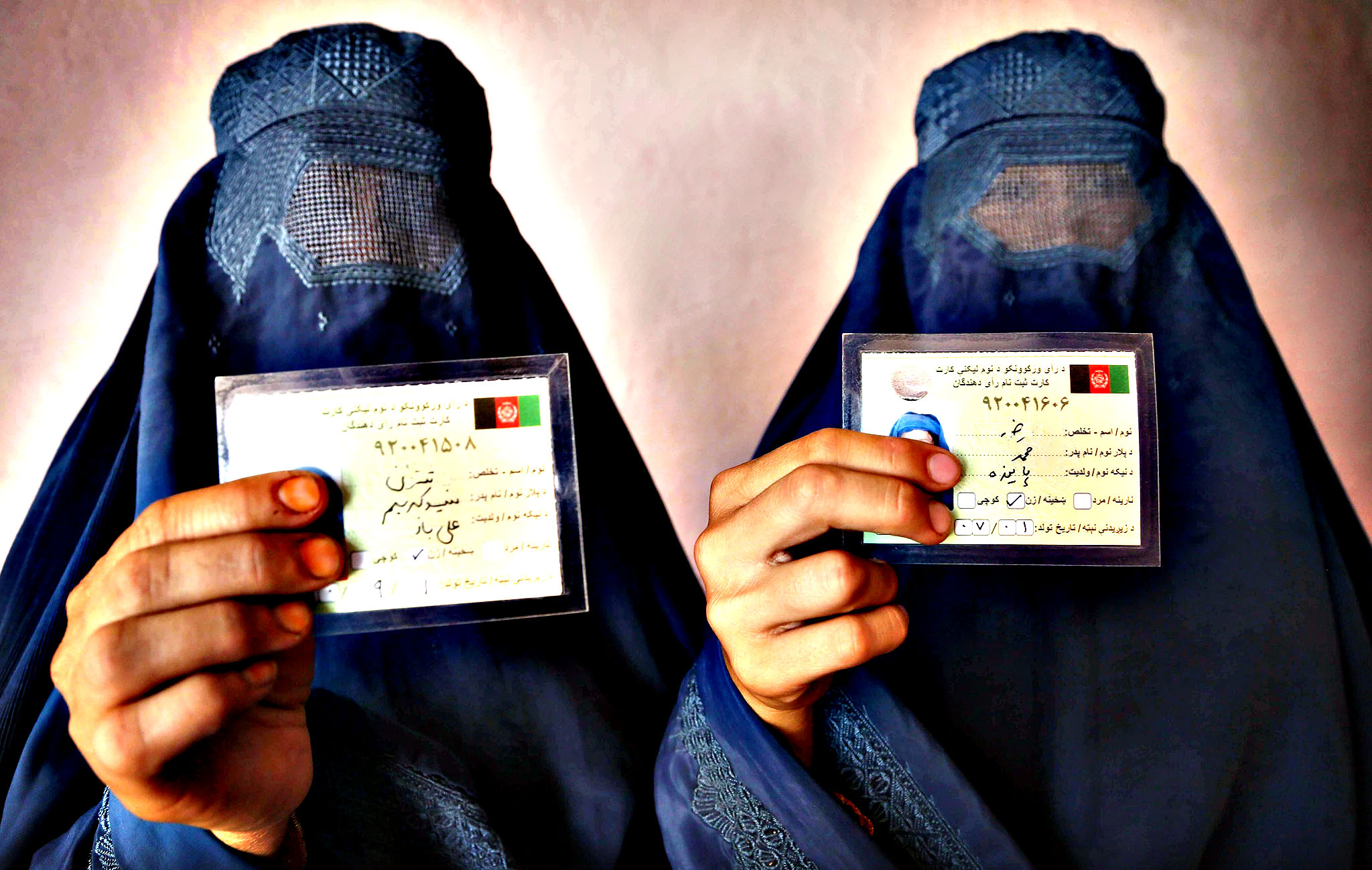
The legal, social and cultural progress that has been made in the area of women’s rights and status in Afghanistan is irreversible. The principles of equality are enshrined in the country’s constitution and embraced by a majority of citizens. Where women were once shut out of the workforce, they now occupy high government posts and work as police officers, judges, business owners, scientists and more. Where women once had little legal recourse when their husbands abused them, there are new protections and avenues of justice for them and stiffer punishments for their assailants. Where women were once barred from taking out loans or owning property in their own names, they have the right to do both. And where women once had no options in life except marriage and childbirth, they now fill Afghanistan’s universities and technical training schools.
  • Some 3,000 Afghan women serve in military and police forces in 34
    provinces.
  • Women account for 14% of university lecturers, and more than 780 women lead classrooms in Afghan institutions of higher learning.
  • 50,225 Afghan women are studying at university -- an increase of 6% (3,000 more) compared to 2016.
  • 9,358 legal cases involving women have been heard by Afghan courts and 2,263 cases have been resolved with legal counsel provided by the Ministry of Women’s Affairs and the Ministry of Justice.
  • Elimination of Violence Against Women units have been established in 23 state institutions.
  • Fifty-eight lawyers are providing pro-bono services on 928 cases of violence against women.
  • Parliament approved a new Law on Anti-Harassment of Women and Children.
Resources
Microfinance training program assists young Afghan women enter financial sector: http://wadsam.com/afghan-business-news/microfinance-training-program-assists-young-afghan-women-enter-financial-sector-232/
 
'Girls aren't less than boys': Kabul's female veterinarians hope to cure inequality, The Guardian, September 2017: https://www.theguardian.com/global-development/2017/sep/18/afghanistan-team-female-veterinarians-hope-to-cure-inequality-kabul

Promoting Gender Equity in Afghanistan’s National Priority Programs:
https://www.usaid.gov/news-information/fact-sheets/promoting-gender-equity-national-priority-programs

Afghanistan’s National Priority Plan on Women’s Economic Empowerment
http://wadsam.com/afghan-business-news/afghanistans-national-priority-plan-womens-economic-empowerment-232/      

Inside Zan TV: Afghanistan’s first all-female station Grace Banks, The Guardian, August 2017 https://www.theguardian.com/lifeandstyle/2017/aug/07/inside-zan-tv-afghanistans-first-all-female-station

Afghanistan Women’s Advancement: Progress Report https://feminist.org/blog/index.php/2016/12/20/afghanistan-womens-advancement-progress-report/

What Factors Drive Support for Women’s Rights
in Afghanistan? http://asiafoundation.org/2017/05/17/factors-drive-support-womens-rights-afghanistan/
Youth
“We live in an interconnected world, and you cannot prevent people from leaving. What you need to do is to create opportunities. At the same time, people are also coming back.”— Ashraf Ghani
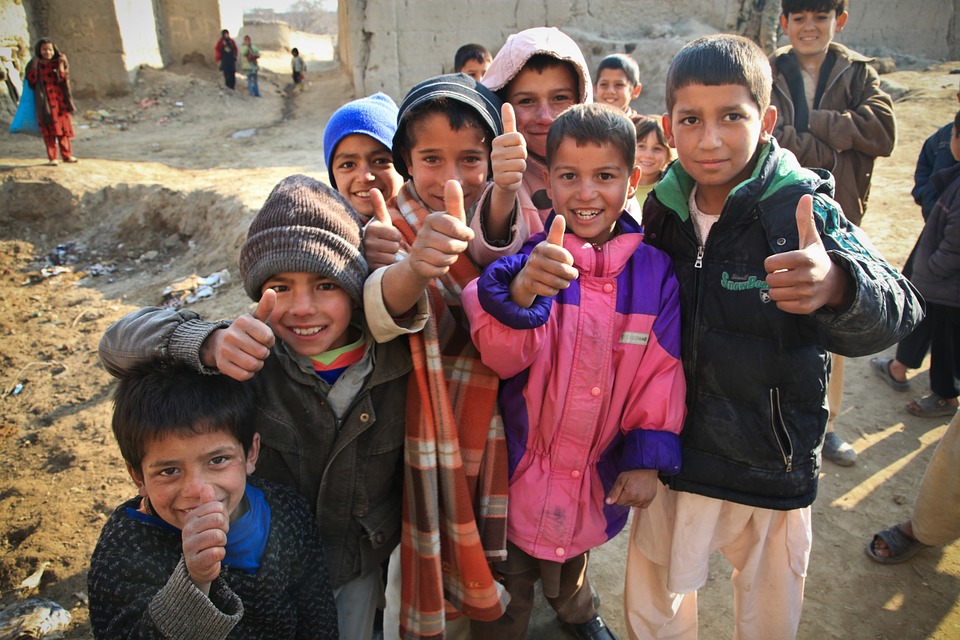
Afghanistan has one of the largest youth bulges in the world, with a median age of 18 years old and approximately 68 percent of the population under the age of 25 years old.

These young people represent a large cross-section of Afghanistan’s society and it is often said that Afghanistan’s peace and future security relies on the ability of the youth to be an integral part of the development and reform agenda and finding productive roles in society.
The Challenge:
Young people in Afghanistan face significant challenges related to insecurity, education, employment, gender inequality and literacy. In addition, around 400,000 young people enter Afghanistan’s labor force every year. The combination of insecurity and high unemployment put the youth of Afghanistan in a vulnerable position. According to a 2015 USIP report, “in Afghanistan, youth participation in violence has grown dramatically…as political and religious groups [take] advantage of vulnerable youth to advance political and religious ideologies” while noting that no national or international strategies have been designed to respond in a holistic manner.

Three decades of conflict devastated Afghanistan’s education systems and institutions. In 2002, an estimated 900,000 boys attended school, while women and girls were almost completely excluded from educational opportunities.
Achievements and Opportunities
Afghan President Ashraf Ghani launched the National Employment Programme in November 2015 to create thousands of Afghan job opportunities. The government, as part of its reform agenda, (SEE MORE TOPICS REFORM) is also investing in vocational education, engineering, managerial skills, the service industry, and in reforms to make Afghan labor more responsive.

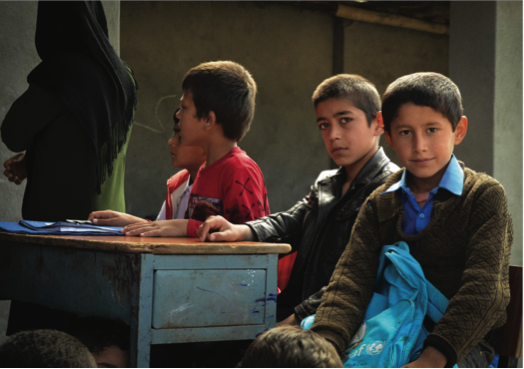
The Afghan government, in collaboration with international organizations, has been slowly rebuilding Afghanistan’s education sector. Educational reforms focus on improving the quality of post-secondary institutions using an outcomes- based education model, including restructuring curriculum, assessment and reporting practices in education to ensure quality of learning. More than 16,000 new schools have been built; 154,000 teachers recruited and trained; and the increased net enrollment rate for school-aged children is close to 60%. Today more than 9 million students are enrolled in schools, 40 percent of whom are girls. (SEE MORE TOPICS EDUCATION).

In addition to government efforts to address the challenges facing the youth, there are many nonprofits, international and local organizations that have created programs to support youth development and engagement (see links below to some of these organizations). Local communities are also actively addressing youth issues by implementing strategies committed to providing for the most vulnerable youth. One example is the Watan Pala Zwanan community that is bringing together youth from different sectors and communities in activities that provide opportunities and help achieve stability in Eastern Afghanistan through popular engagement. (READ MORE IN THE COMMUNITY SPOTLIGHT WATAN PALA ZWANAN.)
Youth-focused organizations:
Young Activists Network for Reform and Change: http://reformandchange.org

Youth for Change Afghanistan Organization: http://www.nayd.org/ycao.htm

Youth For Change and Development: http://www.y4change.org/
Infrastructure
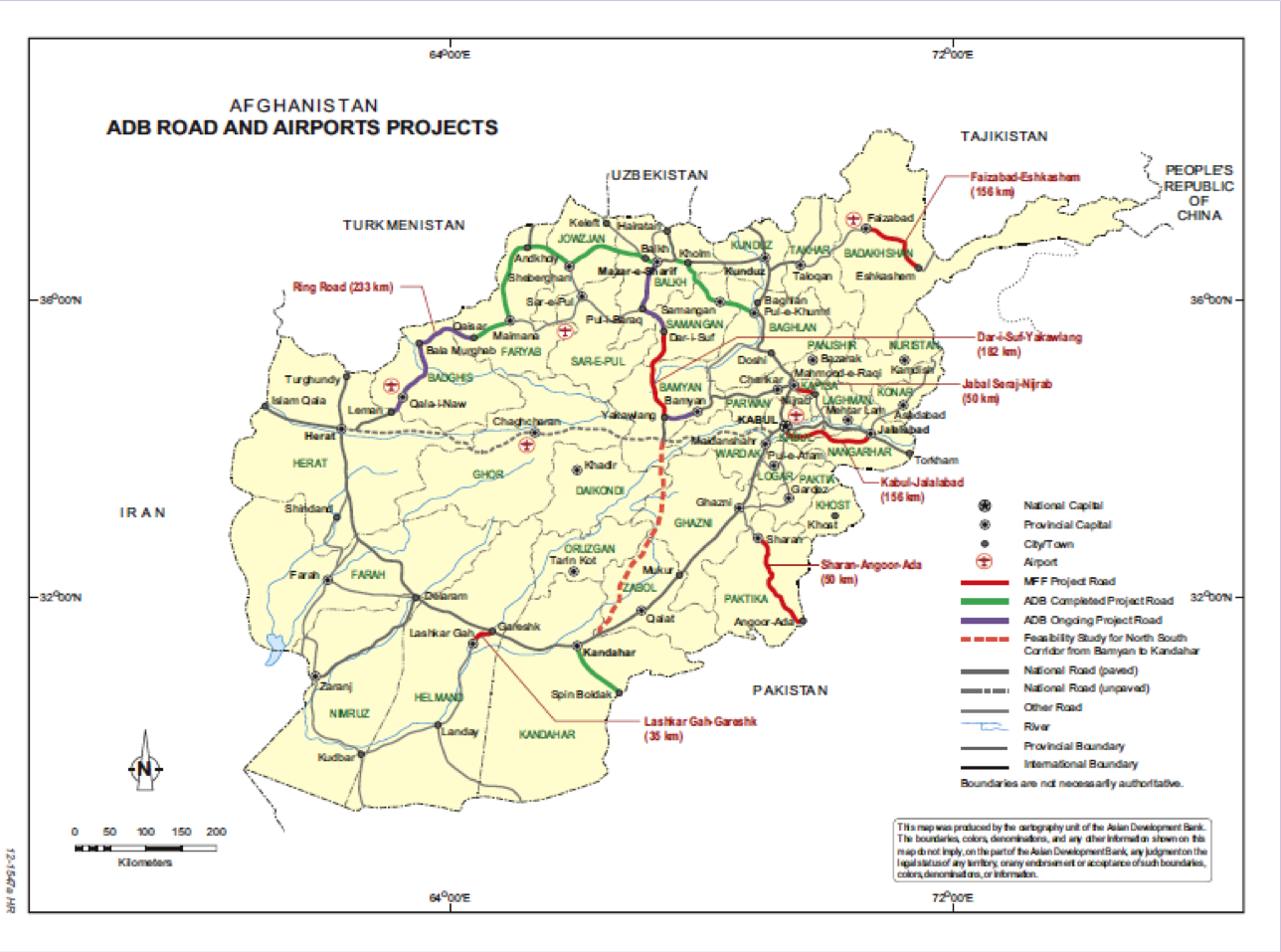
The efficient movement of people and products is an essential prerequisite to a
prosperous economy, which is why the Afghan Government is moving swiftly to connect all parts of Afghanistan to each other and to neighboring countries.

In the interest of expediting economic growth, multiple projects have been prioritized to accelerate development of national infrastructure.

The tri-nation Chabahar Port Agreement signed between Afghanistan, Iran and India will create a transport-and-trade corridor through Afghanistan and gives the country its first-ever access to a deep-water port.

The Atta Morad-Aqina international railway line was inaugurated in 2016, linking Afghanistan to Turkmenistan and other central Asian countries.

On September 7, 2016, the first train from China arrived in Afghanistan as part of the Five Nations Railway Corridor connecting China with Iran. More than half the corridor’s 2,100-kilometer track will pass through Afghanistan. 
Improving roads across Afghanistan, including their maintenance, is another key priority.  The Kabul municipality is planning for the construction of a 610 km network of new roads, which will make getting around the more populated capital region faster and easier.  In addition, the Ministry of
Public Works hopes to begin building 1000 km of new roads annually and repairing existing roads in a more efficient manner. In May 2017, construction began on a major new road in northeast Badakhshan province near the Tajik border that will cover 108 km, with an expected completion in 2021. In addition, work on the first-ever metro bus project in Kabul started in June 2017 and is expected to be operational in 2018.
Resources:
USAID POWER TRANSMISSION EXPANSION AND CONNECTIVITY (PTEC) PROJECT
Afghanistan: www.usaid.gov/news-information/fact-sheets/power-transmission-expansion-and-connectivity-ptec-project-0

RECCA Five Nations Railway Corridor: http://recca.af/?page_id=2086

Railway Pro, Five Asian countries to implement a new railway corridor, (September 2017): http://www.railwaypro.com/wp/five-asian-countries-implement-new-railway-corridor/

Asian Development Bank, Video of Afghanistan Railway: https://www.adb.org/news/videos/development-comes-train-afghanistans-northern-regions

Linking Afghanistan to China's Belt and Road: http://thediplomat.com/2017/04/linking-afghanistan-to-chinas-belt-and-road/

With Chabahar Text Finalised, India’s Dream of a Road to Afghanistan Gathers Speed https://thewire.in/29174/with-chabahar-text-finalised-indias-dream-of-a-road-to-afghanistan-gathers-speed/

Life Improves for Thousands in Rural Afghanistan with Upgraded Infrastructure in Villages http://www.worldbank.org/en/news/feature/2017/09/25/life-improves-for-thousands-in-rural-afghanistan-with-upgraded-infrastructure

Kabul Municipality Unveils First Metro Bus System, Signs Road Building Contract http://www.tolonews.com/business/kabul-municipality-unveils-first-metro-bus-system
Mining
“Afghanistan can be an appropriate place for U.S. industry, and specifically the mining sector, to look at opportunities for investment” because so few potential deposits have been mined, said Mohammad Humayon Qayoumi, chief adviser to Afghan president on infrastructure, human capital and technology. “Afghanistan has always been interested in the U.S. investing in many areas, specifically the mining area. Within mining, there are some areas that are strategic materials such as lithium.”
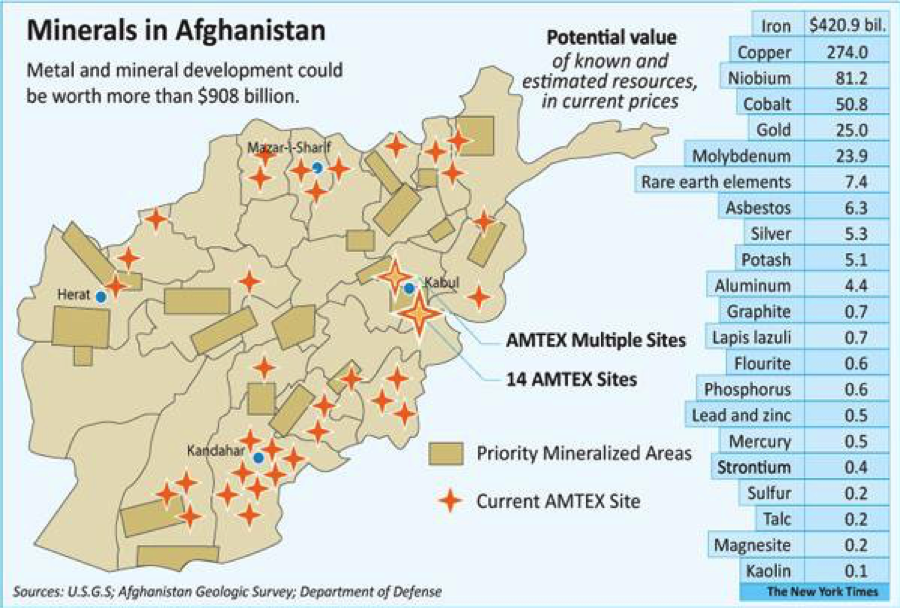
Afghanistan is very unique based on its vast mineral resources.  The extractive industries, such as mining and hydrocarbon development, play an increasingly important role as drivers of economic growth in Afghanistan. The current valuation of hydrocarbons in Afghanistan is $124.6 Billion USD.  The current valuation of minerals in Afghanistan is approximately $604 Billion USD for just the following minerals:
  • Iron: $132 Billion
  • Copper:  $255 Billion
  • Gold:  $23 Billion
  • Cobalt:  $34 Billion
  • Molybdenum:  $12.7 Billion
  • Niobium (Strategic Metal): $147 Billion
Rare Earth Elements
Rare Earth Elements (REE), often called “the oil of the 21st century,” are a set of seventeen metallic elements vital to industrialized societies worldwide and used to produce a range of sophisticated technological products. Significant quantities of REEs are used in the production of clean energy technologies (e.g., advanced auto batteries, electric motors, high-efficiency light bulbs, solar panels and wind turbines.) Many modern defense technologies such as radar and sonar systems, precision-guided weapons, cruise missiles, and lasers cannot be built without REEs. REEs also provide core functionalities to a variety of high technology applications in computing, pollution abatement, power generation, water treatment, oil refining, metal alloying, communications, health care, agriculture, and other sectors.
Currently 97% of all REEs for world consumption are produced in China. In just 1 site explored, the US Geological Survey estimated that Afghanistan has a significant 1.4 Million tons of REEs and actual reserves may be triple current estimates.
Government Efforts
Strengthening the mining and minerals sector is a top priority for the Afghanistan government and will require sustainable development through transparent tendering and effective monitoring.

According to the Afghanistan’s National Peace and Development Framework (2017-2021), the government’s goals for the mining and minerals sector include:
  • Maximizing revenue from mineral exploitation;
  • Increasing the sustainability and predictability of mining
    revenues;
  • Expanding oil and gas exploration;
  • Addressing illegal mining;
  • Reforming contracting and professionalizing internal governance;
  • Establishing full government control over mining areas;
  • Making the mining law EITI compliant;
  • Inviting international partnerships to develop large mines; and
  • Building new freight rail links to regional networks in Turkmenistan and
    Iran.
Resources
Agriculture
“There is a long-term potential to change Afghanistan from an importing and agrarian country to an agro-industrial exporting nation.”
Source - AFGHANISTAN NATIONAL PEACE AND DEVELOPMENT FRAMEWORK
(ANPDF 2017-2021)
According to the Afghanistan National Peace and Development Framework
(ANPDF), economic growth is expected to continue improving through 2017,
reaching 6 percent by 2020. This GDP growth is led by the agriculture sector. 

Significant multi-sector investments in agriculture are therefore needed to drive the country’s overall economic growth. Such investments include:
irrigation resources and water management; improved planting materials and
seeds; better use of farm technologies and best practice; development of value
chains to provide producers with incentives to invest; improved urban-rural
linkages; increased storage and cold chain facilities; and utilization of air corridors that could be used to transport Afghan agricultural goods to higher value markets. Making these investments could result in a shift from
an importing and agrarian country to an agro-industrial exporting nation.

Agriculture is also a key job creator in Afghanistan. Currently, agriculture employs at least 40 percent of the population. The World Bank estimates that a key challenge for the country will be employment generation over the next ten years, investing in the growth of agriculture, a labor-intensive sector, not only contributes to the country’s development but also creates needed jobs.
Opium
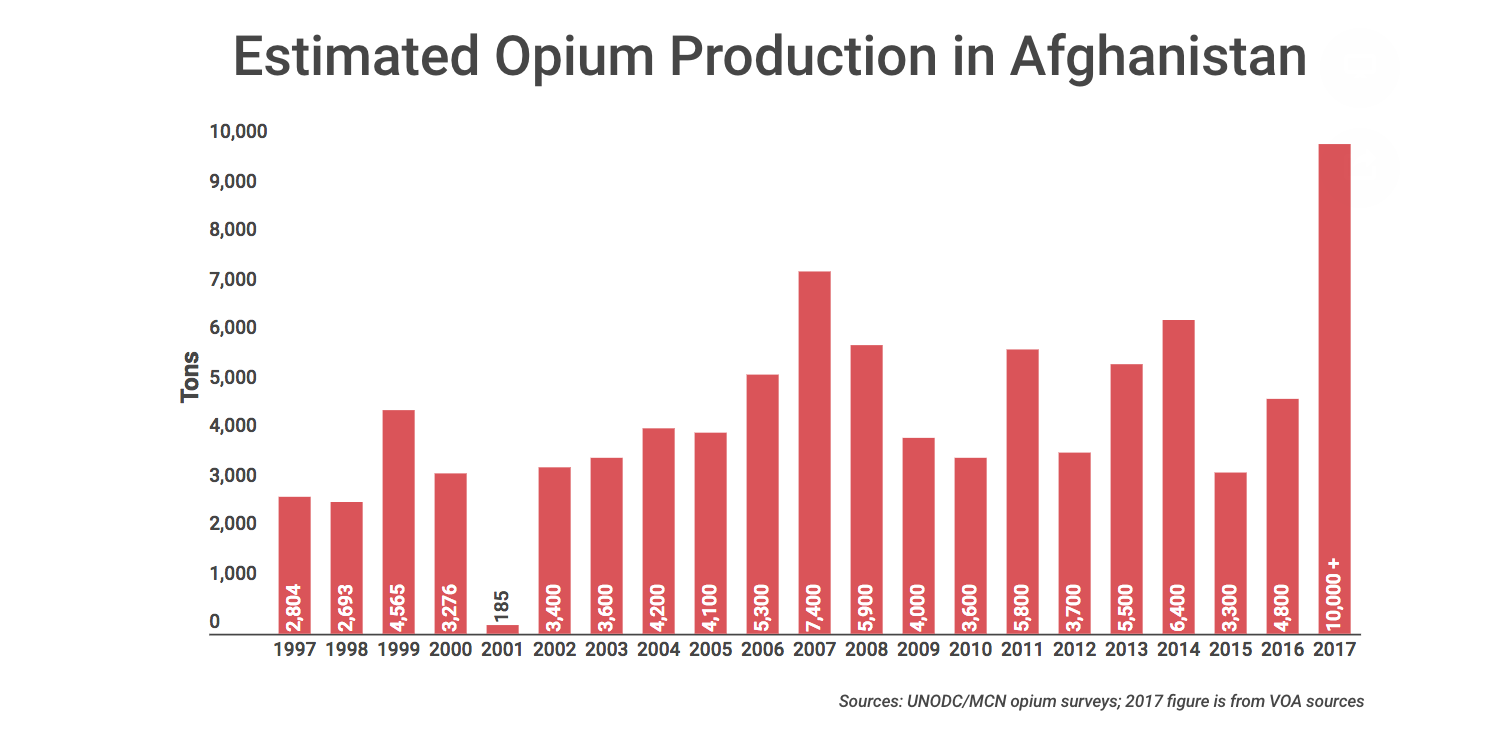
Afghanistan is the world’s largest producer of opium and in 2017 harvested a record crop that more than doubled production from the previous year. The U.N. Office on Drugs and Crime estimated that opium accounted for some 16 percent of Afghanistan’s GDP in 2016. The prosperous drug trade fuels criminal and terrorist activity and is a threat to state legitimacy. Rule of law-related challenges, including insecurity and corruption, and lack of alternative employment opportunities, are the main drivers of illicit cultivation. The current government has a five-year plan to work to provide alternative livelihoods for farmers, while enforcing laws against money-laundering and drug trafficking.
Source - AFGHANISTAN NATIONAL PEACE AND DEVELOPMENT FRAMEWORK (ANPDF 2017-2021)
Excerpt from Afghanistan’s Five-year Agriculture Plan:
- Expand the land under irrigation from 2.2 to 2.7
million hectares;
Increase wheat production from 4.5 to 5.9 million
metric tons. We will achieve these goals by: million hectares;
  • Increasing investments in water management, with rehabilitation of more than 1,000 irrigation schemes, developing new irrigation networks and building small water reservoirs;
  • Implementing the national wheat program to increase yields to 26%, adding 110,000 hectares of land under cultivation, halving post-harvest losses, and developing a standardized wheat seed market;
  • Improving livestock management, applying phytosanitary entry criteria and WTO-allowed tariffs to prevent subsidized imports from competing with our smallholders;
  • Increasing horticulture capacity from 180,000 to 230,000 hectares, supporting investments in value-chains, establishing export certification procedures, and increasing support to women-owned agri-businesses;
  • Rehabilitating the strategic grain reserve and establishing a Grain Reserve Board to support farmers;
  • Expanding agroforestry and reforestation with over 60,000 hectares that support environmental conservation and income generation for farmers;
  • Restructuring the Ministry of Agriculture to become a decentralized and farmer-centric institution that regulates and encourages private investments.
Budget
In October 2017, Afghanistan’s Ministry of Finance submitted its 2018 budget to the Meshrano Jirga (Upper House of Parliament) and then presented it to the President. The budget, as of December 2017, is pending final ratification. The 2018 national budget addresses the reform agenda and other government priorities, having been arranged according to global standards. Transparency surrounding this standardized budget has been of paramount importance to the government as it seeks to increase public confidence and prevent delays previously experienced with projects. 

Based on statistics from the Afghan Ministry of Finance, the total budget for 2018 is more than 357 billion AFs (approximately 5.2 billion USD), of which more than 267 billion AFs (approximately 3.9 billion USD) will be used to fund the government and over 90 billion AFs (approximately 1.3 billion USD) will be used for development purposes. More than half of the national budget will be funded by external resources in 2018, with the remaining $2.3 billion generated from domestic revenue sources.

TOLO News, Finance Minister Presents Draft Budget For Next Year (November, 2017) http://www.tolonews.com/business/finance-minister-presents-draft-budget-next-year
Security & Defense
“Do not ever threaten an Afghan with violence. We will rise as one and we will face every threat the way we have taken on thousands of previous armies and conquerors.”
— Ashraf Ghani
FACT:
Afghanistan ranks 162 out of 163 in the 2017 Global Peace Index, surpassed only by Syria. Despite progress toward building a stable unity government, continuing provincial instability and a resurgent Taliban remain serious challenges for the Afghan government.
FACT:
The 2020 vision for Afghanistan lists as its first goal to “Achieve nationwide stabilization, strengthen law enforcement, and improve personal security for every Afghan.”
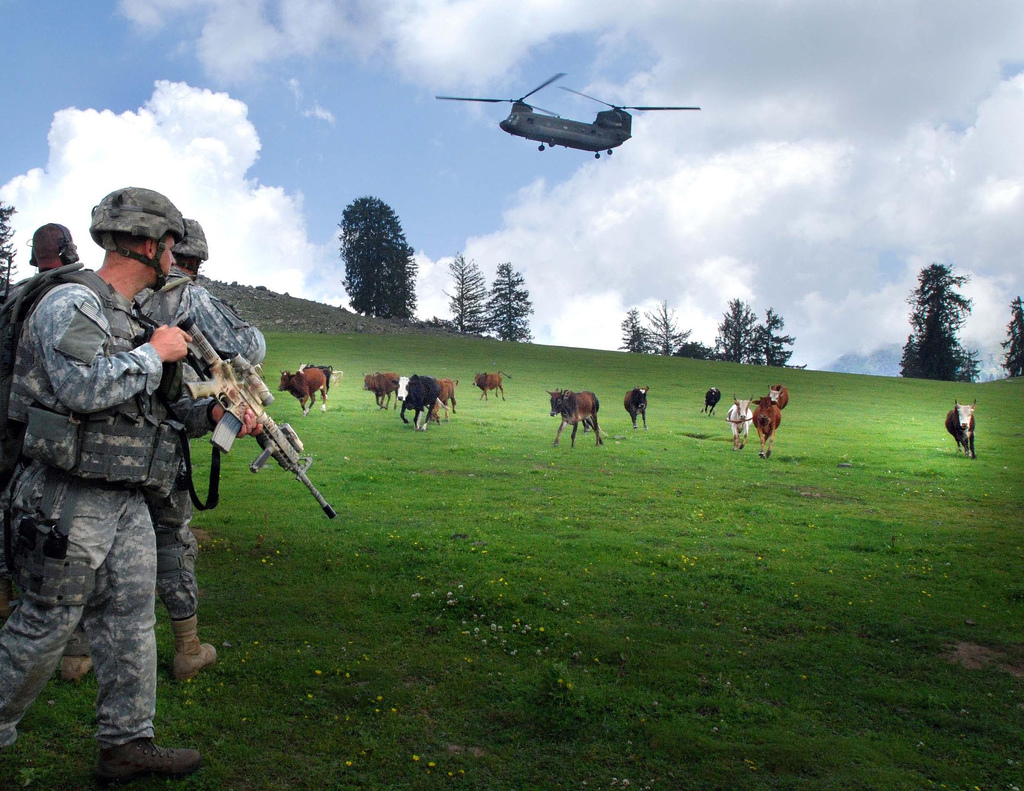
Establishing security in Afghanistan has been identified as essential not only for the survival of the Afghan state, but for the success of the reconstruction effort. After the fall of the Taliban in 2001, Afghanistan had no formal military or police forces. It now has an army, air force, and police force reporting to a democratically elected government. The government currently controls roughly 60 percent of the country, with about one third of all Afghans, or 11 million people, living under Taliban control or in contested areas with the government. In an NPR interview with President Ghani during the 2017 UN General Assembly, President Ghani laid out a specific goal of having the government security forces control 80 percent of the country in four years.
The US Policy Towards Afghanistan Under President Trump
On August 21, 2017, U.S. President Trump made a long awaited announcement outlining his Administration’s strategy moving forward in Afghanistan. In part, the plan includes deploying more American troops to Afghanistan to continue to train Afghan forces there, but no specific troop numbers were disclosed. President Trump also said that the U.S. would put new pressure on Pakistan to crack down on the terrorist safe havens that line its border with Afghanistan. Trump said there would be no “blank check” for the American engagement in Afghanistan but did not set timelines on U.S. involvement. He did emphasize that he was convinced that “a hasty withdrawal would create a vacuum for terrorists, including ISIS and Al Qaeda.”
Resources:

Special Inspector General for Afghanistan Reconstruction (SIGAR) report from September, 2017: https://www.sigar.mil/pdf/lessonslearned/SIGAR-17-62-LL.pdf

USIP report, Afghanistan National Defense and Security Forces: Mission, Challenges and Sustainability https://www.usip.org/publications/2016/05/afghanistan-national-defense-and-security-forces

UN Assistance Mission in Afghanistan (UNAMA), Afghanistan Midyear Report 2016; Protection of Civilians in Armed Conflict
Reform
The Reform Agenda
Afghanistan is in the midst of what President Ashraf Ghani has described as “The Transformation Decade” – a 10-year program of ambitious reforms across all sectors of government intended to dramatically improve the lives of all Afghans by making the country economically self-reliant, peaceful, and politically stable. President Ghani’s blueprint for that reform, “Realizing Self Reliance,” was endorsed at the 2014 London Conference on Afghanistan. Since, the government has made measurable progress in its national priority areas: job creation and industry development, delivery of citizen services, regional cooperation, infrastructure development, judiciary reform, women’s empowerment, and ending corruption.
The Brussels Conference on Afghanistan, held in October 2016 and attended by 75 countries and 26 international organizations and agencies, was regarded as the first major international review of Afghanistan’s reform progress. At the conference, the Afghan Government presented its National Peace and Development 2017-2021 and Self-Reliance Through Mutual Accountability Frameworks. The conference’s final communiqué was well received by attendees and internationally, providing important recognition of results in key areas of reform and confidence in pledges made.
The Citizen's Charter
2017 saw an acceleration of the Citizens’ Charter program, which is now reaching 2,500 villages across the country.
The Citizens’ Charter is a foundational program for realizing the government’s self-reliance vision. The Charter is a government commitment to provide every village in Afghanistan with basic services, based on the community’s own priorities and needs. Built on unified community-level budgeting and financial reporting, the Charter empowers communities to oversee their own development goals, monitor the quality of service delivery, and report grievances to authorities and civil society. The Charter aims to promote inclusive development and accountability at all levels of government, giving a voice to vulnerable groups including women, returnees, and the poor. It additionally strives to provide a positive Afghan government presence in areas that have previously known only lawlessness and poverty.
Over the next ten years, the Citizens’ Charter aims to reach every community in Afghanistan. It is currently in its first phase, which focuses on the poorest and most underserved districts, which make up more than one third of the country.
Resources
Brussels Conference on Afghanistan (with links to National Peace and Development Framework 2017-2021 and Self-Reliance Through Mutual Accountability Framework) http://www.consilium.europa.eu/en/press/press-releases/2016/10/05-bca-main-results/

The Citizens’ Charter: http://projects.worldbank.org/P160567

Administering Reform in Afghanistan: A Conversation with President Ashraf Ghani’s Chief Adviser Dr. M Humayon Qayoumi http://www.atlanticcouncil.org/events/past-events/administering-reform-in-afghanistan

Afghanistan During the Transformation Decade: Implications for the New U.S. Administration https://www.csis.org/events/afghanistan-during-transformation-decade-implications-new-us-administration

IMF Commends Afghanistan for Progress on Reform Objectives http://www.publicfinanceinternational.org/news/2017/03/imf-commends-afghanistan-progress-reform-objectives

Tracking Budget Transparency Reforms in Afghanistan http://www.internationalbudget.org/2017/05/tracking-budget-transparency-reforms-afghanistan/
National Unity Government
Afghanistan’s contested presidential election in 2014 was resolved in a U.S.-brokered deal that created a National Unity Government (NUG). New President Ashraf Ghani, by decree, created the post of Chief Executive Officer (CEO), filled by Abdullah Abdullah. The formation of the NUG presented an opportunity for Afghanistan’s leaders to redefine the role of government and institute reforms that grow public support while working to ensure further international assistance.
At the Brussels Conference on Afghanistan in October 2016, 75 countries and 26 international organizations and agencies participated in order to evaluate progress by the NUG and reaffirm support for Afghanistan. It was a very important moment for the NUG to demonstrate its progress on reform and set out a clear vision for the future. The NUG presented the Afghanistan National Peace and Development Framework (ANPDF), setting out strategic policy priorities to achieve self-reliance. The NUG additionally presented five new National Priority Programs (Citizens’ Charter, Women’s Economic Empowerment, Urban Development, Comprehensive Agriculture, and National Infrastructure) to improve the conditions for sustainable development and stability. Strides made in good governance, a rise in the country’s revenues, the fight against corruption, and economic integration were centerpieces of that presentation. The NUG succeeded in attracting $15.2bn in aid from the international community, expected to last until 2020.
In October 2017, the NUG hosted a Senior Officials Meeting (SOM) in Kabul, with the international community again affirming their support for the reform agenda, and committing to further funding of its programs.
Resources:
The New Afghanistan, G7+: http://www.g7plus.org/sites/default/files/resources/The-New-Afghanistan.pdf

Office of the President of Afghanistan:  https://president.gov.af/en/

Communique on the Brussels Conference on Afghanistan (October 5, 2016): https://af.usembassy.gov/communique-brussels-conference-afghanistan-october-5-2016/
Anticorruption
“We could form a government of national unity fighting corruption. The ordinary Afghan is sick and tired of it, because it's she or he that pays the price.” - President Ashraf Ghani
“These cases show that money and power are not a guarantee.  We face many difficulties, but we are committed. We still do not have complete justice in Afghanistan, but we no longer have complete impunity.”  - Attorney General Hamidi
Ending endemic corruption in Afghanistan has been a priority of the current Afghan government since it came into office in 2014. Sweeping measures have been implemented to create transparency and accountability, which have reduced opportunities for corruption across government agencies: Entire sections of the civil service have been purged of employees who were caught committing or benefitting from corrupt practices; National contracts are now scrutinized by a President-led commission that saved millions of dollars in its first year of work; and a completely overhauled judiciary system is prosecuting high-ranking military and civilian figures.
As of Summer 2017, the Attorney General’s Office was reviewing more than 1,100 cases of corruption, including for bribery, embezzlement, abuse of public authority and forging documents. Since its launch in August 2016, the Anti-Corruption Justice Center has referred more than a dozen high-level cases for prosecution, resulting in 31 people sentenced to prison – among them, three officials from the Ministry of Urban Development and six from the Ministry of Finance. Seven Education Ministry officials have been arrested, as has a senior Interior Ministry official. The National Procurement Authority has blacklisted more than 100 firms found guilty of corrupt contract practices. For the first time, land grabbing is now a criminal offense and 64,000 hectares of illegally seized land have been reclaimed. At the Ministry of Defense, 1,400 officers have been dismissed, and investigations are underway into 55 cases of illegal ammunition and weapons sales involving 109 people. An additional 578 cases are being investigated for other crimes. Afghanistan moved up four points in the 2016 Transparency International Corruption Perception Index, but remains ranked only 169th out of 176 countries.
In October 2017, the government launched and adopted a new Anti-Corruption Strategy for the country, which was subsequently ratified by the Cabinet. This was seen by many observers as a major milestone in the Government’s wider campaign to end corruption and improve law and order.
Resources:
High Office of Oversight and Anti-Corruption (government website)
http://anti-corruption.gov.af/en

Afghanistan Okays National Anti-corruption Strategy (September 2017):
https://www.pajhwok.com/en/2017/09/29/afghanistan-okays-national-anti-corruption-strategy

Global Witness: Afghan Commitments a Step Forward in the Fight Against Corruption
https://www.globalwitness.org/en/campaigns/afghanistan/anti-corruption-summit-afghan-commitments-step-forward-fight-against-corruption/

How Afghanistan is Ramping Up Its Fight Against Corruption (August 2017)
https://www.washingtonpost.com/world/asia_pacific/how-afghanistan-is-ramping-up-its-fight-against-corruption--especially-among-the-countrys-elite/2017/08/18/b2b25ac4-81bb-11e7-9e7a-20fa8d7a0db6_story.html

New Afghan Attorney General Seeks Justice In System Rife With Graf (September 2016)
https://www.nytimes.com/2016/09/04/world/asia/new-afghan-attorney-general-seeks-justice-in-system-rife-with-graft.html

UN Welcomes Afghanistan’s Progress in Fight Against Corruption (April 2017)
https://unama.unmissions.org/un-welcomes-afghanistans-progress-fight-against-corruption

Afghanistan Gets Tough on Tax Evasion
https://www.wsj.com/articles/afghanistan-gets-tough-on-tax-evasion-1483903867

Video: President Ghani’s Remarks at London Anti-corruption Conference (May 2016)
http://president.gov.af/en/videos/president-ghanis-remarks-in-counter-corruption-conference-eu/
Education
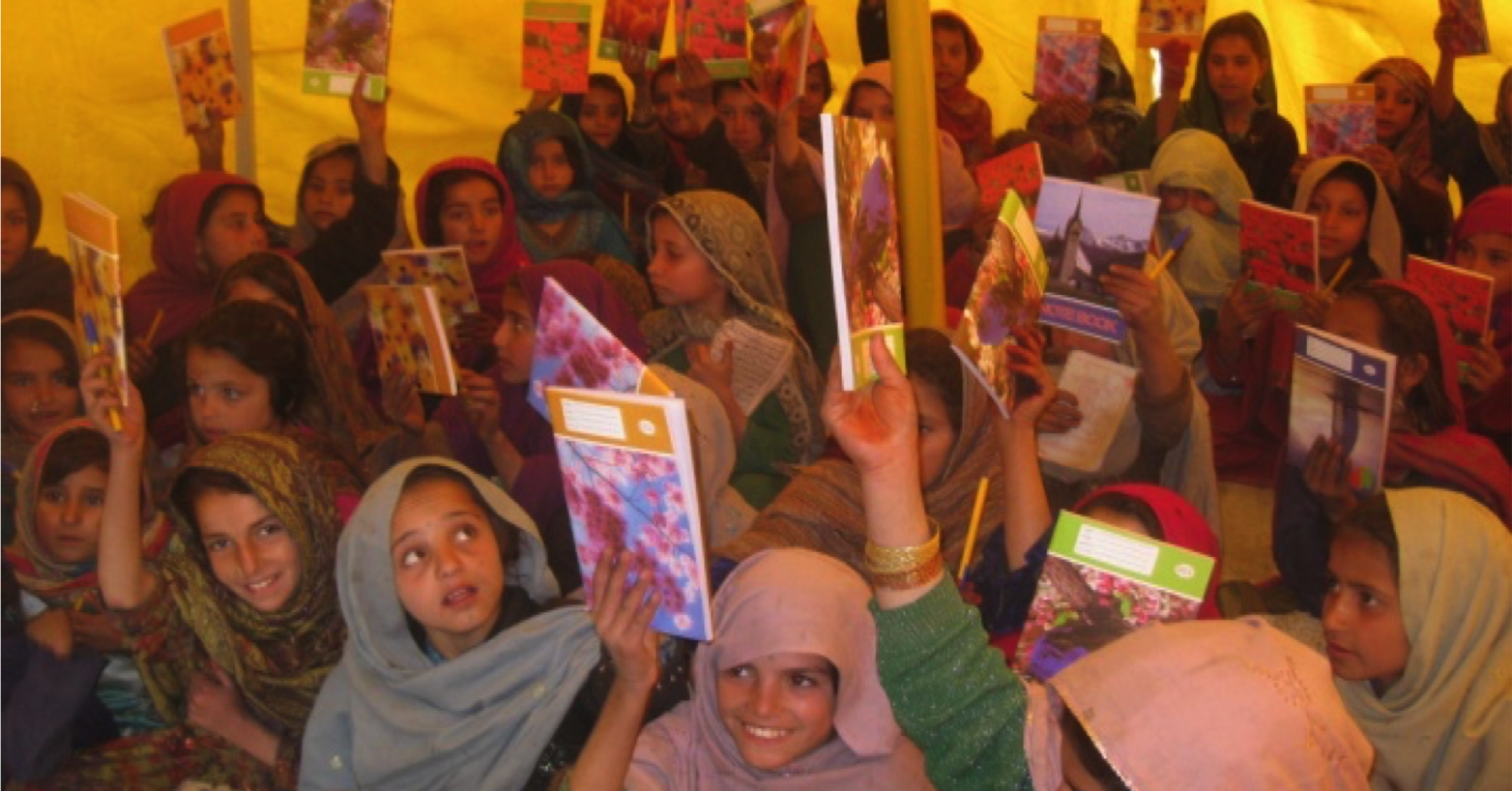
Afghanistan’s education sector, particularly with respect to inclusivity, suffered greatly under Taliban control, which mandated boys-only schools. However, a determined effort by the government – aided by committed international partners – is rebuilding the system and has dramatically improved the number of children enrolled and quality of education they receive.
As of 2017, 60 percent of Afghan’s approximately 6 million children - 40 percent of whom are girls – were enrolled in school. This is up significantly from the 900,000 boys enrolled in 2002. Since then. more than 16,000 new schools have been built and 150,000 teachers recruited and trained. The Ministry of Education is implementing the second phase of the Education Quality Improvement Program (EQUIP II), the primary goal of which is increasing access to quality primary education, with a focus on improving access to education for girls.
Resources:
In Afghanistan, Raising the Quality of Girls’ Education for A Better Future http://www.un.org/youthenvoy/2017/03/afghanistan-raising-quality-girls-education-better-future/

A Rare Success Story in Afghanistan: Education
http://thediplomat.com/2016/08/a-rare-success-story-in-afghanistan-education/

In Afghanistan, New Facilities Boost School Enrolment and Learning http://www.worldbank.org/en/news/feature/2017/05/11/grant-enhances-education-quality-increase-school-enrollment

SOLA: The first all-girls boarding school in Afghanistan
http://www.sola-afghanistan.org/
Reform
Afghanistan is in the midst of what President Ashraf Ghani has declared “The Transformation Decade” – a 10-year program of ambitious reforms across all sectors of government intended to dramatically improve the lives of all Afghans by making the country economically self-reliant, peaceful, and politically stable. In the years since President Ghani’s blueprint for reform, “Realizing Self Reliance,” was enthusiastically endorsed at the 2014 London Conference on Afghanistan, the government has made unprecedented progress in its national priority areas: job creation and industry development, delivery of citizen services, regional cooperation, infrastructure development, judiciary reform, women’s empowerment, ending corruption, and more.

At the first major international review of Afghanistan’s reform progress -- the Brussels Conference on Afghanistan held in October, 2016 and attended by 75 countries and 26 international organizations and agencies -- the Afghan Government presented its National Peace and Development Framework 2017-2021 and its Self-Reliance Through Mutual Accountability Framework. The conference’s final communiqué recognized the significant results made in key areas of reform and affirmed the participants’ confidence in the government’s continued ability to deliver on its reform pledges.

Brussels Conference on Afghanistan (with links to National Peace and Development Framework 2017-2021 and Self-Reliance Through Mutual Accountability Framework) http://www.consilium.europa.eu/en/press/press-releases/2016/10/05-bca-main-results/

Administering Reform in Afghanistan: A Conversation with President Ashraf Ghani’s Chief Adviser Dr. M Humayon Qayoumi http://www.atlanticcouncil.org/events/past-events/administering-reform-in-afghanistan

Afghanistan During the Transformation Decade: Implications for the New U.S. Administration https://www.csis.org/events/afghanistan-during-transformation-decade-implications-new-us-administration

IMF Commends Afghanistan for Progress on Reform Objectives http://www.publicfinanceinternational.org/news/2017/03/imf-commends-afghanistan-progress-reform-objectives

Tracking Budget Transparency Reforms in Afghanistan http://www.internationalbudget.org/2017/05/tracking-budget-transparency-reforms-afghanistan/
Trade
330 and 327 B.C.: Alexander the Great defeated the Achaemenian emperor Darius III and squashed local resistance. Alexander and his successors, the Seleucids, brought Greek cultural influences to the region.
Buddahs
305 BCE: The Mauryan Empire of India defeats the Seleucids,
gaining control of southern Afghanistan, bringing with it Buddhism. Buddhism was the dominant religion from the 3rd century to the 8th century AD. Ruins of this period still remain, lining what was once a great Buddhist pilgrimage road from India to Balkh, in northern Afghanistan, and on into Central Asia.
“…a land where the long centuries have seen stubborn waves of would-be conquerors thrown back defeated, where proud people have twice rebuilt their ruined cities from the smoldering ashes left by invaders and where challenge of today – no less forceful than those before – is to develop the abundant natural and human resources and to match the twentieth century stride for stride.” -- Afghanistan: Ancient Land with Modern Ways, published by the Ministry of Planning of the Royal Government of Afghanistan in 1961
A Brief History of Afghanistan
Often called the crossroads of Central Asia, Afghanistan’s history is characterized by resistance to foreign invasion and occupation, but has also been the hub of diverse cultures. The history of Afghanistan spans 5,000 years, changing hands as new empires emerge, influenced by diverse outsiders such as Greece, Arabia, Iran, Central Asia, India, and China.

In 1747, Ahmad Shah Durrani unified the Pashtun tribes and created the Durrani Empire, which is considered the beginning of modern Afghanistan. In the late 19th century, Afghanistan became a buffer state buffer between the British Indian Empire and the Russian Empire. In 1919, Afghanistan gained independence from British occupying forces. From 1919-1973 was a period of relative stability in Afghanistan, with Kabul even earning the name the “Paris of Central Asia.”

In 1973, pro-Soviet Gen. Mohammed Daoud Khan overthrows the last king, Mohammed Zahir Shah, in a military coup. Khan names himself president of The Republic of Afghanistan with strong ties to the USSR.
Since 1978, Afghanistan has seen more than three decades of foreign occupation, civil war and insurgency.
The USSR invaded in 1979 to bolster the failing Afghan Communist regime. By early 1980, the internationally-backed Mujahadeen rebels united against soviet forces. The last Russian soldier retreated from Northern Afghanistan in 1989 under pressure from the internationally-supported mujahedin rebels. The Mujahadeen continue their resistance against the Soviet-backed regime and eventually oust the communist president Dr. Mohammad Najibullah in 1992. An interim government was established by the Mujahedeen Council, a group already beginning to fracture as warlords fight over the future of Afghanistan.

The uncertainty of the Mujahedeen government was exploited by a group of Islamic fighters called the Taliban. After a subsequent series of civil wars, in 1996 Kabul was seized by the Taliban. Following the 9/11 terrorist attack in 2001, the United States and its allies began military operations and toppled the Taliban for sheltering Osama Bin Laden. An interim government was installed.

Following the September 11, 2001, terrorist attacks, a US, Allied, and anti-Taliban The UN-sponsored Bonn Conference in 2001 established a process for political reconstruction including the establishment of an interim government with Hamad Karzai as interim leader, aiming to steer Afghanistan towards “national reconciliation, a lasting peace, stability, and respect for human rights.” In 2004, presidential elections are held which elect Karzai as President. In 2014, the two rivals for the Afghan presidency, Ashraf Ghani and Abdullah Abdullah, sign a US-brokered power sharing agreement following disputed election results. Ashraf Ghani is sworn in as president. 
Read more in our government section.
Important Dates in Modern Afghanistan History
1979 - Soviet Army invades. More than a million people die in the ensuing war and more than 6 million refugees had fled the country.

1989 - Last Soviet troops retreat. Mujahideen push to overthrow Soviet-installed Afghan ruler Najibullah, triggers civil war.

1995 – A newly formed Islamic militia, the Taliban, rises to power on promises of peace.

1996 - Taliban seize control of Kabul.

2001 - US militarily intervention following September 11th attacks. Taliban are ousted from Kabul and Hamid Karzai becomes head of interim government.

2002 - Nato assumes responsibility for maintaining security in Afghanistan.

2004 - Afghanistan adopts new constitution which provides separation of powers and democratic principles. Hamid Karzai elected president.

2014 - U.S.-brokers a leadership partnership (National Unity Government, or NUG) between President Ashraf Ghani and CEO Dr. Abdullah Abdullah after contentious election.

2018: President Trump announces new policy in Afghanistan including a deployment of more American troops to Afghanistan to continue to train Afghan forces there in fight against terrorists.

2019: Next Afghan presidential elections
Resources
Afghanistan: Ancient Land with Modern Ways, published by the Ministry of Planning of the Royal

Government of Afghanistan in 1961: https://www.wdl.org/en/item/17790/

PBS Newshour historical timeline of Afghanistan: http://www.pbs.org/newshour/updates/asia-jan-june11-timeline-afghanistan/

BBC Timeline: http://www.bbc.com/news/world-south-asia-12024253

Afghanistan:  A Lexicon, Mariam and Ashraf Ghani
Transportation
The efficient movement of people and products is an essential prerequisite to a prosperous economy, which is why the Afghan Government is moving swiftly to connect all parts of Afghanistan to each other and its neighboring countries. The tri-nation Chabahar Port Agreement Afghanistan has signed with Iran and India will create a transport-and-trade corridor through Afghanistan and gives it its first-ever access to a deep-water port. In May 2017, construction was begun on a major new road in northeast Badakhshan province near the Tajik border that will cover 108 kilometers, with an expected completion in 2021.

Direct flights between Afghanistan and Qatar are set to begin in late 2017. The Atta Morad-Aqina international railway line was inaugurated in 2016, linking Afghanistan to Turkmenistan and other central Asian countries. The first train from China has arrived in Afghanistan, part of the Five Nations Railway Corridor connecting China with Iran; more than half the 2,100-kilometer track will pass through Afghanistan and the potential economic impact on trade and transit cannot be underestimated.

And work on the first-ever metro bus project in Kabul started in June 2017 and is expected to be operational in 2018. The Kabul municipality is also planning for the construction of 610 km network of new roads, which will make getting around the all-important capital region faster and easier.

Linking Afghanistan to China's Belt and Road http://thediplomat.com/2017/04/linking-afghanistan-to-chinas-belt-and-road/

With Chabahar Text Finalised, India’s Dream of a Road to Afghanistan Gathers Speed https://thewire.in/29174/with-chabahar-text-finalised-indias-dream-of-a-road-to-afghanistan-gathers-speed/

Life Improves for Thousands in Rural Afghanistan with Upgraded Infrastructure in Villages http://www.worldbank.org/en/news/feature/2017/09/25/life-improves-for-thousands-in-rural-afghanistan-with-upgraded-infrastructure

Kabul Municipality Unveils First Metro Bus System, Signs Road Building Contract http://www.tolonews.com/business/kabul-municipality-unveils-first-metro-bus-system
The National Unity Government
The first round of the 2014 presidential election was held on April 5, 2014, with the two frontrunner candidates Dr. Abdullah Abdullah and Dr. Ashraf Ghani Ahmadzai. Turnout was comparatively high, with approximately 57% of eligible voters turning out for what would be the first time in Afghanistan’s history that power was democratically transferred. In the first round, neither of the candidates secured the required 50% of the vote, necessitating a run-off. On June 14, 2014, voting took place in the second round election run-off, with Ghani winning 56.44% of the votes and Abdullah 43.56%. Due to allegations of widespread voter fraud, US Secretary of State John Kerry announced on July 12 that all ballots would be audited under UN supervision. In September of 2014, the U.S.-brokered a leadership partnership (National Unity Government, or NUG) between President Ashraf Ghani and CEO Dr. Abdullah Abdullah.
Resources
Afghanistan Constitution

Statement by the President on Afghanistan, White House, July 06, 2016 Remarks by President Obama and President Ghani of Afghanistan in Joint Press Conference, March 24, 2015

The United Nations, Bonn Conference, Agreement on Provisional Agreements in Afghanistan Pending The Re-establishment of Permanent Institutions

Office of the President of the Islamic Republic of Afghanistan

Embassy of Afghanistan, Washington D.C.

Afghanistan: Post-Taliban Governance, Security, and U.S. Policy, Congressional Research Service
Mining
“Afghanistan can be an appropriate place for U.S. industry, and specifically the mining sector, to look at opportunities for investment” because so few potential deposits have been mined, said Mohammad Humayon Qayoumi, chief adviser to Afghan president on infrastructure, human capital and technology. “Afghanistan has always been interested in the U.S. investing in many areas, specifically the mining area. Within mining, there are some areas that are strategic materials such as lithium.”
Afghanistan is very unique based on its vast mineral resources.  The extractive industries, such as mining and hydrocarbon development, play an increasingly important role as drivers of economic growth in Afghanistan. The current valuation of hydrocarbons in Afghanistan is $124.6 Billion USD.  The current valuation of minerals in Afghanistan is approximately $604 Billion USD for just the following minerals:
  • Iron: $132 Billion
  • Copper:  $255 Billion
  • Gold:  $23 Billion
  • Cobalt:  $34 Billion
  • Molybdenum:  $12.7 Billion
  • Niobium (Strategic Metal): $147 Billion
Rare Earth Elements
Rare Earth Elements (REE), often called “the oil of the 21st century,” are a set of seventeen metallic elements vital to industrialized societies worldwide and used to produce a range of sophisticated technological products. Significant quantities of REEs are used in the production of clean energy technologies (e.g., advanced auto batteries, electric motors, high-efficiency light bulbs, solar panels and wind turbines.) Many modern defense technologies such as radar and sonar systems, precision-guided weapons, cruise missiles, and lasers cannot be built without REEs. REEs also provide core functionalities to a variety of high technology applications in computing, pollution abatement, power generation, water treatment, oil refining, metal alloying, communications, health care, agriculture, and other sectors.
Currently 97% of all REEs for world consumption are produced in China. In just 1 site explored, the US Geological Survey estimated that Afghanistan has a significant 1.4 Million tons of REEs and actual reserves may be triple current estimates.
Government Efforts
Strengthening the mining and minerals sector is a top priority for the Afghanistan government and will require sustainable development through transparent tendering and effective monitoring.

According to the Afghanistan’s National Peace and Development Framework (2017-2021), the government’s goals for the mining and minerals sector include:
  • Maximizing revenue from mineral exploitation;
  • Increasing the sustainability and predictability of mining
    revenues;
  • Expanding oil and gas exploration;
  • Addressing illegal mining;
  • Reforming contracting and professionalizing internal governance;
  • Establishing full government control over mining areas;
  • Making the mining law EITI compliant;
  • Inviting international partnerships to develop large mines; and
  • Building new freight rail links to regional networks in Turkmenistan and
    Iran.
Resources
  • Afghanistan Geological Survey Data Center in Kabul (http://mom.gov.af/en/, http://www.bgs.ac.uk/afghanminerals/) and for viewing and download on the USGS public Web site (http://afghanistan.cr.usgs.gov/)
  • USGS Summaries and Data Packages of Important Areas for
    Mineral Investment and Production Opportunities in Afghanistan

    https://pubs.usgs.gov/fs/2011/3108/fs2011-3108.pdf
Citizens
This is some more about the issue number 5.
Education
Afghanistan’s education sector suffered greatly during the dark days of Taliban-controlled, boys-only schools, but a determined effort by the government – aided by committed international partners – is rebuilding the system and has already dramatically improved the number of children enrolled and quality of education they receive.

As of 2017, 60 percent of Afghan children -- more than 6 million, 40 percent of them girls – were enrolled in school, up from 900,000 boys in 2002. More than 16,000 new schools have been built and 150,000 teachers recruited and trained. The Ministry of Education is implementing the second phase of the Education Quality Improvement Program (EQUIP II), whose goal is increasing access to quality primary education, with a focus on bringing more girls into the fold.

In Afghanistan, Raising the Quality of Girls’ Education for A Better Future http://www.un.org/youthenvoy/2017/03/afghanistan-raising-quality-girls-education-better-future/

A Rare Success Story in Afghanistan: Education http://thediplomat.com/2016/08/a-rare-success-story-in-afghanistan-education/

In Afghanistan, New Facilities Boost School Enrolment and Learning http://www.worldbank.org/en/news/feature/2017/05/11/grant-enhances-education-quality-increase-school-enrollment

SOLA: The first all-girls boarding school in Afghanistan http://www.sola-afghanistan.org/
Women
The legal, social and cultural progress that has been made in the area of women’s rights and status in Afghanistan is irreversible. The principles of equality are enshrined in the country’s constitution and embraced by a majority of citizens. Where women were once shut out of the workforce, they now occupy high government posts and work as police officers, judges, business owners, scientists and more. Where women once had little legal recourse when their husbands abused them, there are new protections and avenues of justice for them and stiffer punishments for their assailants. Where women were once barred from taking out loans or owning property in their own names, they have the right to do both. And where women once had no options in life except marriage and childbirth, they now fill Afghanistan’s universities and technical training schools.
  • Some 3,000 Afghan women serve in military and police forces in 34
    provinces.
  • Women account for 14% of university lecturers, and more than 780 women lead classrooms in Afghan institutions of higher learning.
  • 50,225 Afghan women are studying at university -- an increase of 6% (3,000 more) compared to 2016.
  • 9,358 legal cases involving women have been heard by Afghan courts and 2,263 cases have been resolved with legal counsel provided by the Ministry of Women’s Affairs and the Ministry of Justice.
  • Elimination of Violence Against Women units have been established in 23 state institutions.
  • Fifty-eight lawyers are providing pro-bono services on 928 cases of violence against women.
  • Parliament approved a new Law on Anti-Harassment of Women and Children.
Resources
Microfinance training program assists young
Afghan women enter financial sector

http://wadsam.com/afghan-business-news/microfinance-training-program-assists-young-afghan-women-enter-financial-sector-232/
 

'Girls aren't less than boys': Kabul's female veterinarians hope to cure inequality

The Guardian, September 2017
https://www.theguardian.com/global-development/2017/sep/18/afghanistan-team-female-veterinarians-hope-to-cure-inequality-kabul


Promoting Gender Equity in Afghanistan’s National Priority Programs
https://www.usaid.gov/news-information/fact-sheets/promoting-gender-equity-national-priority-programs


Afghanistan’s National Priority Plan on Women’s Economic Empowerment
http://wadsam.com/afghan-business-news/afghanistans-national-priority-plan-womens-economic-empowerment-232/      

Inside Zan TV: Afghanistan’s first all-female station Grace Banks, The Guardian, August 2017 https://www.theguardian.com/lifeandstyle/2017/aug/07/inside-zan-tv-afghanistans-first-all-female-station


Afghanistan Women’s Advancement: Progress Report https://feminist.org/blog/index.php/2016/12/20/afghanistan-womens-advancement-progress-report/

What Factors Drive Support for Women’s Rights
in Afghanistan? http://asiafoundation.org/2017/05/17/factors-drive-support-womens-rights-afghanistan/
Youth
“We live in an interconnected world, and you cannot prevent people from leaving. What you need to do is to create opportunities. At the same time, people are also coming back.”— Ashraf Ghani
Afghanistan has one of the largest youth bulges in the world, with a median age of 18 years old and approximately 68 percent of the population under the age of 25 years old.

These young people represent a large cross-section of Afghanistan’s society and it is often said that Afghanistan’s peace and future security relies on the ability of the youth to be an integral part of the development and reform agenda and finding productive roles in society.
The Challenge:
Young people in Afghanistan face significant challenges related to insecurity, education, employment, gender inequality and literacy. In addition, around 400,000 young people enter Afghanistan’s labor force every year. The combination of insecurity and high unemployment put the youth of Afghanistan in a vulnerable position. According to a 2015 USIP report, “in Afghanistan, youth participation in violence has grown dramatically…as political and religious groups [take] advantage of vulnerable youth to advance political and religious ideologies” while noting that no national or international strategies have been designed to respond in a holistic manner.

Three decades of conflict devastated Afghanistan’s education systems and institutions. In 2002, an estimated 900,000 boys attended school, while women and girls were almost completely excluded from educational opportunities.
Achievements and Opportunities
Afghan President Ashraf Ghani launched the National Employment Programme in November 2015 to create thousands of Afghan job opportunities. The government, as part of its reform agenda, (SEE MORE TOPICS REFORM) is also investing in vocational education, engineering, managerial skills, the service industry, and in reforms to make Afghan labor more responsive.

The Afghan government, in collaboration with international organizations, has been slowly rebuilding Afghanistan’s education sector. Educational reforms focus on improving the quality of post-secondary institutions using an outcomes- based education model, including restructuring curriculum, assessment and reporting practices in education to ensure quality of learning. More than 16,000 new schools have been built; 154,000 teachers recruited and trained; and the increased net enrollment rate for school-aged children is close to 60%. Today more than 9 million students are enrolled in schools, 40 percent of whom are girls. (SEE MORE TOPICS EDUCATION).

In addition to government efforts to address the challenges facing the youth, there are many nonprofits, international and local organizations that have created programs to support youth development and engagement (see links below to some of these organizations). Local communities are also actively addressing youth issues by implementing strategies committed to providing for the most vulnerable youth. One example is the Watan Pala Zwanan community that is bringing together youth from different sectors and communities in activities that provide opportunities and help achieve stability in Eastern Afghanistan through popular engagement. (READ MORE IN THE COMMUNITY SPOTLIGHT WATAN PALA ZWANAN.)
Youth-focused organizations:
Young Activists Network for Reform and Change http://reformandchange.org/?cat=7

Youth for Change Afghanistan Organization   http://www.nayd.org/ycao.htm

Youth For Change and Development:  http://www.y4change.org/
Corruption
“We could form a government of national unity fighting corruption. The ordinary Afghan is sick and tired of it, because it's she or he that pays the price.” -President Ashraf Ghani
“We could form a government of national unity fighting corruption. The ordinary Afghan is sick and tired of it, because it's she or he that pays the price.” - President Ashraf Ghani
Background
An entrenched culture of impunity and entitlement among the country’s military and civilian elites has resulted in corruption remaining one of the major impediments to the stabilization and reconstruction process in Afghanistan. Predatory criminality, corruption, and power abuse has been ingrained in the culture as an accepted norm for many years. Ethnic divisions and competing patronage networks complicate any anti-corruption efforts.

The extent of the corruption problem in Afghanistan can be exemplified by the Kabul Bank scandal in 2010, when a cohort of businessmen and politicians carried out a Ponzi scheme that ended in the disappearance of $1 billion from the largest private Afghan bank.

This legacy of corruption inherited by the current government has been one the biggest challenges they face, while simultaneously dealing with continued security and economic challenges. President Ghani campaigned on the promise to reduce corruption and stimulate economic development through the new reform agenda. This reform agenda’s success is with little question dependent on the establishment of an accountable government, free from corruption and promoting transparency and integrity across the country.
Government Efforts
Throughout the past 13 years, a high level of corruption has been a major obstacle for the international community's efforts to support the stabilization of Afghanistan. The U.S. and its allies have long seen ending corruption as a key to success factor for a peaceful Afghanistan. But, millions of dollars over the years allocated for development in Afghanistan have been misused.

The National Unity Government established a specialized anti-corruption court in 2016, called the Anti-Corruption Justice Center (ACJC) to bolster the legal system's ability to tackle corrupt ministers, judges and governors.

Two recent cases (LINK TO WASH POST ARTICLE), which brought prominent men to face the anti corruption court, are part of an accelerating campaign, headed by Attorney General Farid Hamidi, to convince the Afghan public and Afghanistan’s foreign backers that the government is making significant progress in efforts to end corruption.

In March 2017, the Defense Ministry said it had dismissed nearly 1,400 employees over the past year for alleged corruption. More than 300 officials had been brought to justice, it said. The ministry also said it was reviewing more than 1,800 allegations of corruption in national defense structures, adding that nearly 170 cases had been referred to law enforcement agencies.

To date approximately 1,097 cases have been tried in three anti-corruption courts, 468 people have been sent to prison, and repayments and fines totaling more than $14million have been ordered. In the generator-fuel scheme, two army colonels were sent to prison for 18 and 20 years and fined more than $1.5 million.

In January 2017, Hamidi targeted Afghanistan’s vice president, of Abdurrashid Dostum, whose bodyguards allegedly raped and tortured a political rival. While Hamidi has ordered the arrest of nine of the bodyguards and put Dostum under investigation, Dostum refused to be questioned by Hamidi’s office and fled to Turkey, where he remains in self-imposed exile.

Despite the government efforts, in September 2016, the Special Inspector General for Afghanistan Reconstruction, the auditing arm of the U.S. mission in Afghanistan, found that corruption remained the norm. SIGAR found that President Ghani alone, out of 83 senior officials, fully complied with financial disclosure laws.
A multifaceted approach to curbing corruption can include the following approaches:

Increasing civil servant salaries to change incentive for participating in corruption.

Improving government transparency and efficiency through professionalization, including the digitization of government services.

Continued strengthening of the rule of law, prosecuting corruption at all levels.

U.S.-Backed Effort to Fight Afghan Corruption Is a Near-Total Failure, Audit Finds: https://www.nytimes.com/2016/09/28/world/asia/afghanistan-corruption-financial-disclosure.html?mcubz=0&_r=0

https://www.washingtonpost.com/world/asia_pacific/how-afghanistan-is-ramping-up-its-fight-against-corruption--especially-among-the-countrys-elite/2017/08/18/b2b25ac4-81bb-11e7-9e7a-20fa8d7a0db6_story.html?utm_term=.30cad9117325

Judicial Review: https://areu.org.af/archives/publication/1722
Security & Defense